
Do You Need a Permit to Replace a Deck Railing in Oakland?
The short answer: sometimes
The honest version is that it depends on how big the job is, not on a flat yes or no. A true like-for-like repair, swapping a couple of rotted pickets with the same material in the same spot, often does not need a permit. But the moment the work turns structural, changes the design, replaces a big chunk of the guardrail or deck, or touches how the load travels into the posts and framing, a permit is usually on the table. When you are not sure which bucket you fall in, call the Bureau of Building before you start. Rules change, so confirm the current requirements with the city for your specific project.
Who issues deck railing permits in Oakland
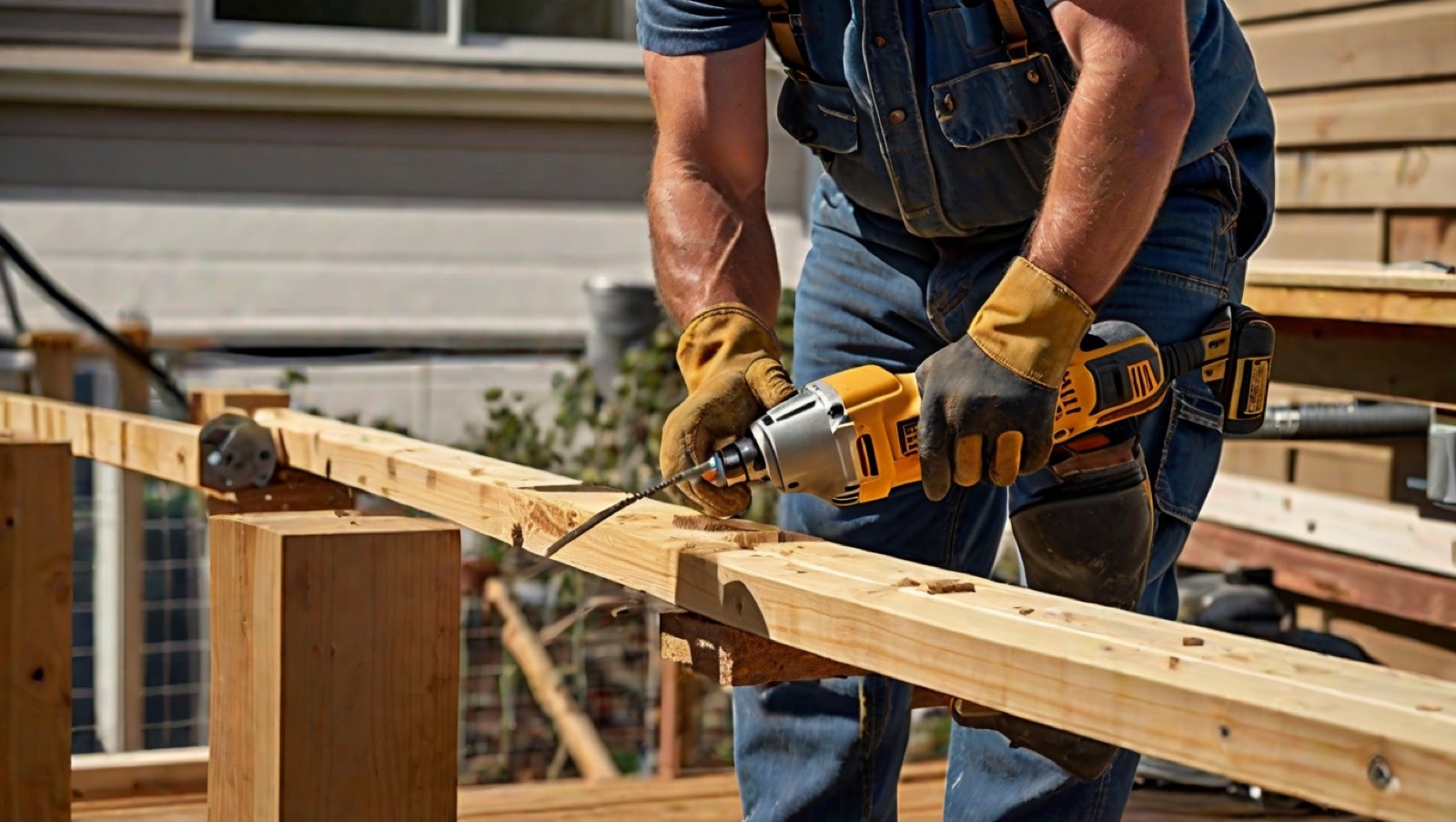
In Oakland, building permits run through the Bureau of Building, inside the Planning and Building Department, with the front counter downtown at 250 Ogawa Plaza. That is the office that reviews the work, issues the permit, and sends an inspector for the final sign-off. It is the city, not a homeowners association, and the city cares about one thing above all with a railing: is the guard safe enough that a person leaning on it, or a kid pushing against it, is not going over the edge. That is why even a job that feels cosmetic can pull in code review, whether your deck is in the Oakland Hills or behind a Craftsman in Rockridge.
Planning a concrete project in Alameda or the East Bay? Get a free, no-obligation on-site estimate and a written flat-rate price.
When you need a permit versus when you probably do not
The cleanest way to think about it is scope. Ordinary maintenance that puts things back exactly as they were tends to stay under the permit threshold, while work that changes, enlarges, or rebuilds the system tends to cross it. A common rule of thumb, which you should confirm locally, is that once you replace more than about 25 percent of a deck assembly you are into deck permit territory. Here is a rough map, not a legal ruling.
| Likely no permit | Likely needs a permit |
|---|---|
| Swapping a few rotted pickets, same material and spacing | Replacing the entire guardrail system |
| Re-securing an existing loose rail | Changing the railing design, height, or material |
| Repainting or refinishing | Work that touches posts, ledger, or the load path |
| A short like-for-like section repair | Replacing more than about 25 percent of the deck |
The right column is not about size, it is about safety and structure. A guardrail is a life-safety element, so if the work affects how it resists a load or anchors into the deck, the city wants to see it. For the wider picture, our post on railing permits in Alameda County covers how this plays out beyond Oakland.
The 30-inch, 42-inch, and 4-inch-sphere triggers
This is where the code gets specific, and these numbers are exactly what an inspector checks. Under the California baseline, a guard is required anywhere a walking surface sits more than 30 inches above the grade below. Once you are over that 30-inch drop, a guard is not optional. It is typically 42 inches tall, and the gaps between balusters have to reject a 4-inch sphere, the code's way of saying a small child cannot slip through.
Those numbers are why a railing job that looks simple can still trigger code review. If your old deck has a rail at 34 inches with 6-inch gaps, which was normal decades ago, you cannot just rebuild it the same way and call it a repair. Bringing it up to current code is a permitted change. We keep the full breakdown in our guide to California railing code height and spacing, and our deck railings page shows the code-compliant systems we build.
Why a permit actually protects you
It is tempting to see a permit as a tax and a hassle. But flip it around. A guardrail is the one thing between someone and a fall, and on a hillside deck in Montclair that fall could be serious. If an unpermitted rail later fails and someone gets hurt, you are exposed, with no paper trail showing the work met code. That missing permit also tends to surface during a resale or home inspection, where it becomes a negotiation problem or a condition of sale. A permit plus a passed final inspection is cheap insurance against both. Fees commonly land between $50 and $500, small next to the liability of a rail that was never signed off. Confirm the current fee with the city, since schedules change.
How the permit process works
The process is less intimidating than it sounds. You or your contractor describe the work to the Bureau of Building, the city decides whether it needs a permit, you pull it, the work gets done to code, and an inspector comes out for a final inspection and signs off. That final inspection matters most, because it is the city putting its name on the fact that your guard is safe. For a straightforward replacement, this is usually a light lift.
Two Oakland specifics are worth getting right. The Hayward Fault runs straight through the city, so proper post anchoring and solid connections into the framing are what keep a rail attached when the ground moves. And because so much of Oakland sits near the bay, salt air eats ordinary steel, which is why we build in 316 stainless and galvanized or powder-coated steel for anything exposed. Alameda Custom Railing builds code-compliant guardrails and can guide you through the Oakland permit and final inspection. Call (510) 390-9618 and we will talk through your deck.
Why fall is the season for this
There is a rhythm to this work, and fall is the busy stretch. Homeowners spend the summer noticing a wobble in a rail or the spongy feel of dry-rotted wood, then fix it before the winter rain makes everything worse. Pulling the permit and finishing the replacement in the fall means your deck is solid and signed off before the wet months, instead of taped off and waiting. If your rail gives when you lean on it, or a screwdriver sinks into the base of a post, do not ride it through another rainy season. We serve Oakland and the surrounding hills directly, and you can see our coverage on our Oakland page.
Get a straight answer for your deck
Every deck is different, and the permit question comes down to your railing and how much of it you are touching. Rather than guess, let us come look. We will tell you honestly whether your job is a simple repair or a permitted replacement, build to current code either way, and walk you through the Oakland permit and final inspection if you need one. We defer all pricing to a free on-site estimate, so you are quoting from what your deck actually needs, not a number over the phone. Call (510) 390-9618 to set up a walkthrough, and we will get your railing sorted before the rain shows up.
Questions, Answered
Do I need a permit to replace a deck railing in Oakland?
Sometimes. A true like-for-like repair, such as swapping a few rotted pickets with the same material in the same place, often does not require a permit. But replacing the whole guardrail, changing its design or height, touching the posts or load path, or replacing more than about 25 percent of the deck assembly usually does. Since rules change, confirm your project with Oakland's Bureau of Building, or call us at (510) 390-9618 and we will help you read it.
How much is a deck railing permit in Oakland?
Fees for this kind of work commonly run between $50 and $500, depending on the scope and the city's current fee schedule. That is small next to the liability of an unpermitted guardrail that later fails or holds up a home sale. Confirm the exact fee with the Bureau of Building, since schedules are updated over time.
When is a guardrail required on a deck?
Under the California baseline, a guard is required anywhere a walking surface is more than 30 inches above the grade below. Guards are typically 42 inches tall, and the openings between balusters must be tight enough to reject a 4-inch sphere so a small child cannot pass through. These specifics are what an inspector checks, and they are why even a modest railing job can trigger code review.
What happens if I replace my railing without a permit?
Two things tend to catch up with you. If an unpermitted guardrail later fails and someone is injured, you carry the liability with no record that the work met code. And missing permits routinely surface during a resale or home inspection, where they become a negotiation problem. A permit and a passed final inspection are inexpensive insurance against both.
Can Alameda Custom Railing handle the Oakland permit for me?
Yes. We build and install code-compliant guardrails throughout Oakland and can guide you through the permit process with the Bureau of Building and the final inspection. We build in 316 stainless and galvanized or powder-coated steel to hold up against bay-area salt air, and we anchor posts properly, which matters in a city the Hayward Fault runs through. Call (510) 390-9618 for a free on-site estimate.


Need Help in Alameda?
Alameda Custom Railing provides fast, same-day custom railing across Alameda, CA and the surrounding area — flat-rate pricing, licensed and insured, with 24/7 emergency service. Landed on this article from a search? Head back to our homepage to see everything we do, or reach out now.