
SB 721 vs SB 326: Which Balcony Inspection Law Applies to Your East Bay Building?
The one question that decides it
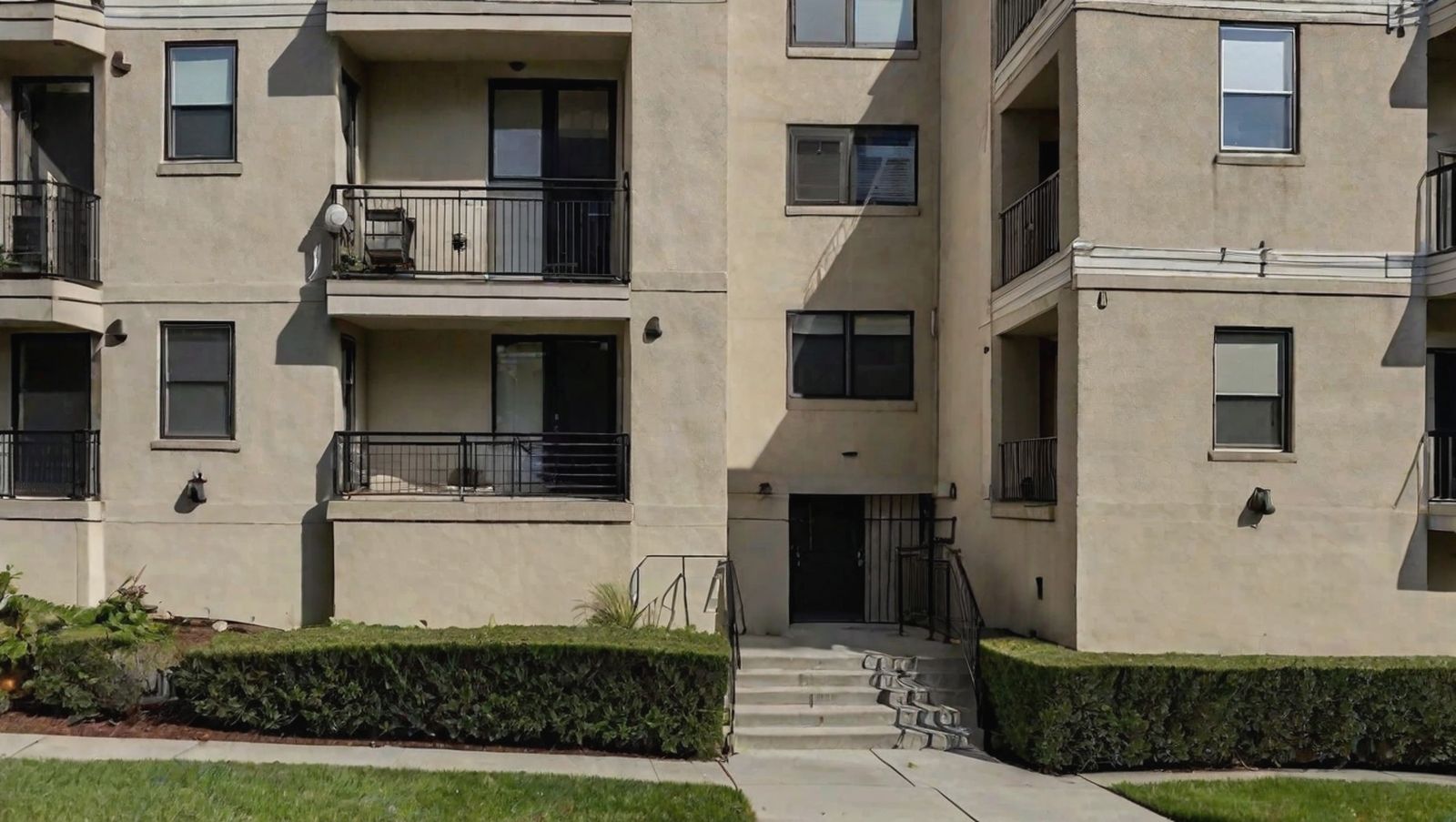
Owners and board members ask us this all the time, usually while holding a letter from a property manager or an insurer: is our building an SB 721 building or an SB 326 building? The answer almost never comes down to what the building looks like. A three-story stucco box with wood balconies could fall under either law. What decides it is who owns and governs the building.
If one owner (a person, a family trust, an LLC) owns the whole building and rents out three or more units, you are in SB 721 territory. If the building is a common interest development, meaning individually owned condo units with an HOA that controls the common areas, SB 326 is your law. Same goal, same kinds of balconies and stairs, but different deadlines, different inspectors and a different clock.
We are Alameda Custom Railing, a metal shop that fixes and replaces the guardrails and handrails these inspections flag. We are not attorneys and we do not perform the inspections. This post is a decision guide, not legal advice, so confirm edge cases with your attorney or your inspector. If you already have a report with railing items on it, call (510) 390-9618.
SB 721 and SB 326 side by side
Here are the two laws on one page. Each one gets a full guide of its own: the SB 721 guide for apartment owners and the SB 326 guide for HOA boards. This table is for sorting out which one you need to read.
| Item | SB 721 | SB 326 |
|---|---|---|
| Who it covers | Rental buildings with 3 or more dwelling units | Condo and HOA buildings (common interest developments) |
| Statute | Health and Safety Code 17973 | Civil Code 5551 |
| Inspection cycle | Every 6 years | Every 9 years |
| First deadline | January 1, 2026 (extended by AB 2579, now passed) | January 1, 2025 (not extended, passed) |
| Who may inspect | Licensed architect, licensed civil or structural engineer, A, B or C-5 licensed contractor with 5+ years building multistory wood frame buildings, or a certified building inspector or building official (not employed by the local jurisdiction) | Licensed architect or structural engineer only |
| Sample size | At least 15% of each type of element | A sample sized for 95% statistical confidence, not a flat 15% |
| Who is responsible | The building owner | The association, through its board |
Both laws cover the same family of parts: balconies, decks, stairways, walkways, landings and the railings attached to them, where the walking surface is more than 6 feet above grade and the element relies in substantial part on wood or wood-based framing. For an HOA, how the cost is funded (reserves, operating budget or an assessment) follows your governing documents, so your manager and attorney should weigh in there.
Planning a railing project in Alameda or the East Bay? Get a free, no-obligation on-site estimate and an honest written price.
The tricky cases, in plain sentences
A condo building where lots of units are rented out. It is still a condo building. The individual owners who rent their units are landlords, but the common area balconies, stairs and walkways belong to the association's world, so SB 326 governs those. Having renters in most of the units does not flip the building to SB 721.
A building that was converted to condos. Once the conversion is complete and an association exists to manage the common areas, the building generally moves into SB 326. Mid-conversion or partly sold buildings are exactly where you want your attorney's read, because the ownership picture is in flux.
A duplex. Two units falls under SB 721's three-unit threshold. SB 326 also looks at buildings with three or more units, so a two-unit condo usually sits outside both. That does not mean a rotten duplex balcony is fine, only that these two laws do not require the inspection.
A low deck. The elevated element has to be more than 6 feet above grade. A ground-floor patio deck at 3 feet is outside the inspection requirement, though a guard is still required by code anywhere a walking surface is more than 30 inches up.
A steel or concrete balcony. Both laws are aimed at elements that rely in substantial part on wood framing. A balcony that is fully steel or concrete, with no wood carrying the load, may fall outside that definition. Mixed construction is common in the East Bay (steel guards bolted into wood joists, concrete topping over wood framing), so confirm with your inspector before you assume you are exempt. Swapping a wood railing for a steel one does not change what is holding the balcony up.
Why sources online disagree on the cycle
Search these two laws and you will find pages, mostly from inspection vendors, saying SB 326 runs on a six-year cycle. It does not. SB 721 repeats every 6 years and SB 326 repeats every 9 years, and the City of Oakland's balcony inspection page lists them the same way. Some older posts also still show January 1, 2025 as the SB 721 deadline, which was true before AB 2579 pushed it to January 1, 2026. Both first deadlines have now passed, so if your building has not been inspected, the realistic step is to get on an inspector's calendar now rather than waiting for a notice.
When a source and the statute disagree, go with the statute and your inspector. If a vendor gets the cycle wrong on their website, ask them to confirm it in writing before you sign.
Your city runs the paperwork
The state sets the rules, but cities enforce them locally. In Oakland, the owner, property manager or HOA files an EEE Inspection Form with the inspector's report through the city's Online Permit Center, and repair permits run on a set timeline after that. We walk through that Oakland filing step by step in our post on apartment balcony railing replacement in Oakland. Other cities, including Hayward and Berkeley, handle enforcement their own way, so call your building department and ask how they want reports and repairs documented.
What both laws mean for your railings
Under either law, the railing is part of the elevated element, not an accessory to it. The inspector is looking at whether the guard is solid, whether it meets the 42-inch height and the 4-inch sphere rule, and whether it can hold the load the code expects at the top rail (on multifamily buildings, 50 pounds per linear foot or a 200-pound concentrated load). On older East Bay balconies, the rail itself is often fine and the problem is underneath: the posts are anchored into wood that has been taking on water for years.
That is why failed items usually land in one of two buckets. Re-anchoring means opening up the connection, repairing the blocking or rim behind it, and fastening the guard back into sound framing. Guard replacement means fabricating a new code-compliant rail because the old one is corroded, too short or too open to save. Many reports call for both across a building.
Two rules hold either way. The repair should be done by a licensed contractor who is not the inspector (Oakland's program states this outright, and it is a sound rule anywhere), and the work needs a permit. Building-scale repairs are not a one-week job. A multi-balcony scope gets measured, phased around tenants or owners, permitted and put on a written schedule. Our railing repair and SB 721 work page covers how we handle it.
Practical next steps for either kind of building
Start by answering the ownership question on paper. Pull the grant deed or your CC&Rs and confirm whether the building is one owner renting units or an association of owners. That tells you which inspector list you are hiring from and which cycle you are on.
Next, get the inspection done by a qualified inspector for your law, and keep the report. When it comes back with railing items, send us the flagged pages. We will walk the building, look at the connections, and give you a scoped estimate built from what is actually there.
Already have a report with failed guardrails? Apartment owners can see our multifamily railing replacement service, and boards can see our HOA and condo railing work. Or call (510) 390-9618 and we will set up a walkthrough.
For an apartment owner, that means a repair scope you can file against your city's timeline. For an HOA, it means a scope the board can vote on, budget against reserves and schedule around residents. Either way, the railings get built in our shop to current code and installed under permit.
Questions, Answered
Most units in our condo building are rented. Do we follow SB 721 or SB 326?
SB 326. Renters in the units do not change what the building is. If it is a condo or HOA, the association handles the common area balconies, stairs and walkways under SB 326 on a 9-year cycle. Confirm unusual ownership setups with your attorney.
Is the SB 326 inspection every six years or every nine?
Every nine years. Some vendor websites say six, but six is the SB 721 cycle for apartment rentals. The City of Oakland's balcony inspection page lists 6 years for SB 721 and 9 years for SB 326.
Does either law apply to a duplex?
Generally no. SB 721 applies to rental buildings with three or more units, and SB 326 also looks at buildings with three or more units. A two-unit building usually falls outside both, though the normal building code still applies to any guard you repair or replace.
Our balconies are steel. Are we exempt?
Possibly. Both laws are aimed at elevated elements that rely in substantial part on wood framing, so a fully steel or concrete balcony may fall outside the definition. Many East Bay balconies mix steel railings with wood framing underneath, which is still covered. Have your inspector confirm before you assume an exemption.
Can the inspector who wrote our report also do the railing repairs?
Plan on a separate contractor. Oakland's program requires repairs by a licensed contractor who is not the inspector, and keeping the two roles apart is good practice in any city. We handle the repair and replacement side and pull the permit. Call (510) 390-9618 to schedule a walkthrough.

Need Help in Alameda?
Alameda Custom Railing designs, fabricates, and installs custom railings across Alameda and the East Bay, with free on-site estimates, honest written pricing, and most standard residential railings installed in about a week. Licensed and insured. Landed on this article from a search? Head back to our homepage to see everything we do, or reach out now.