
SB 326 Balcony Inspections for East Bay HOAs & Condos (2026 Guide)
The fast answer for board members
If you sit on an HOA board for a condo or multifamily building in the East Bay, SB 326 is the law that requires a licensed engineer or architect to inspect your balconies, decks, walkways, and stairways on a nine year cycle. The first deadline was January 1, 2025, and it passed with no extension, so if your association missed it you are behind. We do not run the inspections ourselves. We are the metal shop that comes in after the report lands and fixes or replaces the guardrails and handrails that got flagged. This guide walks you through what the law says, what tends to fail, and what happens next.
What SB 326 is, in plain English
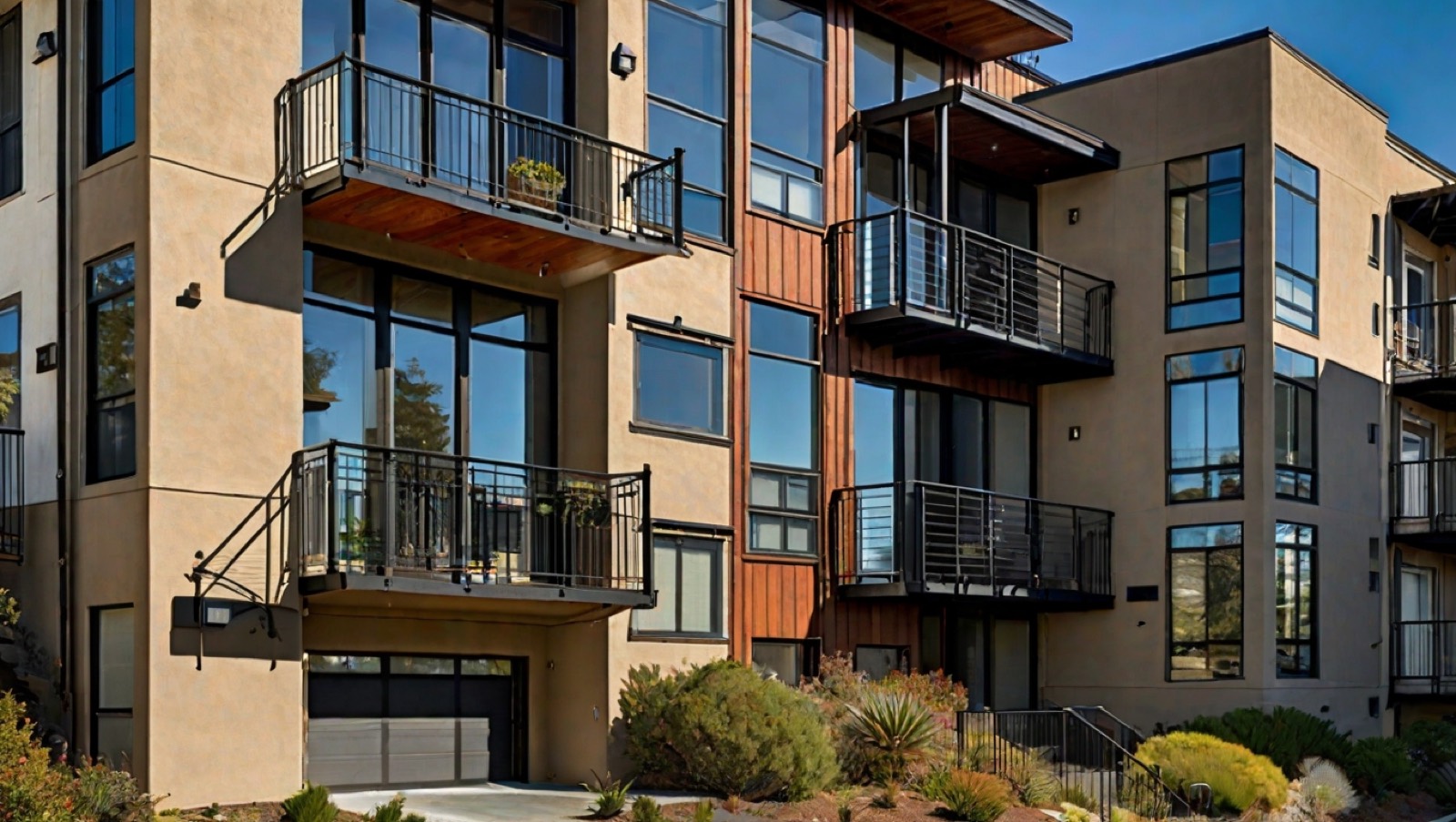
SB 326 is often called the Balcony Inspection Law. It lives inside the Davis-Stirling Act, the body of law that governs homeowner associations in California. It applies to condominium and HOA buildings that have three or more multifamily dwelling units. That is the key trigger. If your association owns and maintains the exterior elevated structures, SB 326 is talking to you.
The law targets what it calls exterior elevated elements, or EEE for short. That covers decks, balconies, walkways, stairways, landings, and the guardrails and handrails attached to them. Two conditions have to be true. The element has to sit more than six feet above the ground, and it has to rely on wood, wood-based, or metal framing for its support. Walk-out balconies cantilevered off wood joists and exterior stair towers are exactly what the inspector is looking at.
Planning a concrete project in Alameda or the East Bay? Get a free, no-obligation on-site estimate and a written flat-rate price.
SB 326 versus SB 721, so you know which one is yours
People mix these two up constantly, and it matters because the deadlines and the cycles are different. SB 326 is for condos and HOAs. SB 721 is the parallel law written for apartment rentals with three or more units. Same idea, catch failing balconies before someone gets hurt, but two different owners and two different clocks. Here is the quick side by side.
| Item | SB 326 (HOA / condo) | SB 721 (apartment rentals) |
|---|---|---|
| Who it covers | Condo and HOA buildings, 3+ units | Apartment rentals, 3+ units |
| Inspection cycle | Every 9 years | Every 6 years |
| First deadline | January 1, 2025 (passed) | January 1, 2025 (passed) |
| Who can inspect | Licensed structural engineer or architect | Broader list of qualified inspectors |
| Sample size | At least 15% of each EEE type | Representative sample |
If you are not sure which one applies, we break it down further in our companion post on the SB 721 balcony inspection for East Bay rentals. The short version, own it as an association, think SB 326. Rent it out as an apartment owner, think SB 721.
Who does the inspection and how much they look at
SB 326 does not let just anyone sign off on your building. Only a licensed structural engineer or architect may perform the inspection and stamp the report, because reading the load path on a balcony that has been quietly rotting for fifteen years takes a trained eye.
They do not have to open every single balcony either. The law asks for a representative sample of at least 15% of each type of exterior elevated element. If you have forty identical balconies, the engineer inspects at least six, often by cutting openings to see the framing and waterproofing underneath. If those six show a pattern of trouble, that tells the engineer something about the other thirty-four. The report goes to the board and becomes part of the association records.
What happens if your railings fail inspection
This is the part that lands on our bench. When an engineer finds a guardrail that is loose, corroded, undersized, or pulling away from its framing, the report flags it. If the condition threatens the safety of the people using it, the association is required to make the repairs. If the engineer calls it an emergency condition, the association has to prevent access to that balcony or stairway until it is fixed. That means caution tape and a closed balcony, which owners notice fast.
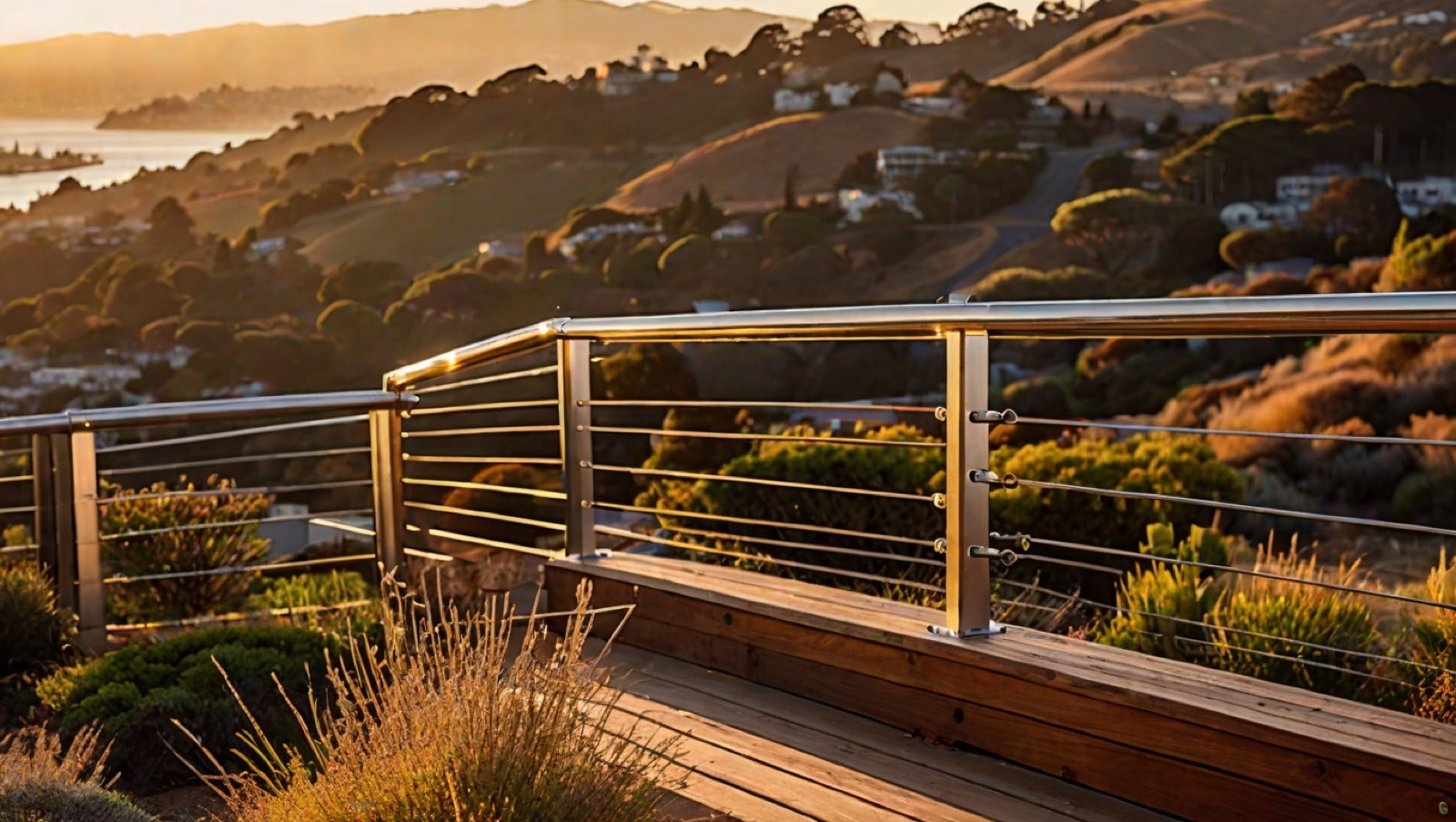
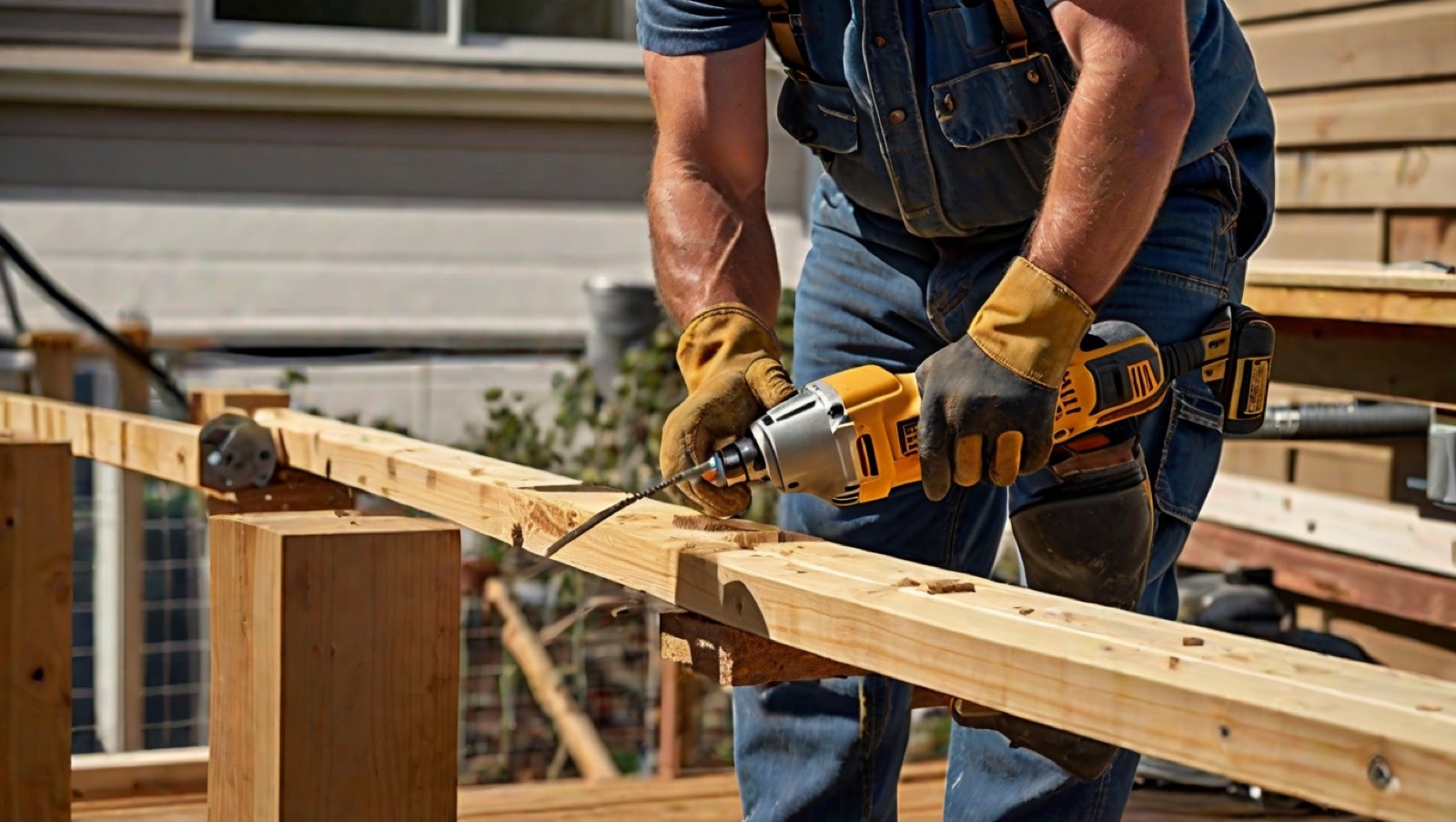
Failed guardrails and handrails usually cannot be patched. They have to be replaced or reinforced back to code, and that is where a fabrication shop comes in. We build code-compliant replacement railings to the current standard, which means a 42 inch guard height and no more than a 4 inch sphere gap between balusters so a small child cannot slip through. For buildings near the water, we build in 316 marine-grade stainless steel because ordinary steel rusts fast in salt air, and we finish with powder coat or hot-dip galvanizing. If your report flagged railings, that is our lane. Start on our railing repair page or call (510) 390-9618.
Why 2026 is the year boards are scrambling
The reason this topic is hot right now is simple. The deadline is in the rearview mirror. January 1, 2025 came and went, and unlike some California deadlines, this one did not get pushed. We are past the get ready phase and into the enforcement phase. Boards that put it off are exposed. If someone is injured on a balcony the association knew, or should have known, needed repair, the liability picture gets ugly fast, and insurers are paying attention.
We would rather be straight with you than scare you with made up numbers. The daily fine framing that gets quoted online is specific to SB 721 rental properties, not SB 326. The real pressure on an HOA is different. It is the liability exposure, the insurance renewal questions, and the reserve study math when a full railing replacement lands all at once. That is manageable if you plan it, and painful if it surprises you.
How this plays out across the East Bay
We fabricate and install throughout the East Bay, and multifamily buildings are a big part of what we do. The older condo stock in Oakland and the mixed condo and apartment blocks in Berkeley tend to have wood-framed balconies from an era when waterproofing was thinner, exactly the kind of construction SB 326 was written for. Newer developments in Hayward have their share of exterior stair towers and shared walkways that fall under the law too. Wherever your building sits, you can see the communities we cover on our service area page. If your engineer already handed you a report with railing items on it, do not let it sit in a drawer. Send us the flagged items and we will scope the replacement.
What to do next
If your association has not been inspected yet, your first call is to a licensed structural engineer or architect, not to us. Get the inspection done and get the report. Once you have it in hand, and it shows guardrail or handrail problems, that is when we step in. We fabricate replacement railings that meet current code, we install them, and we defer all pricing to a free on-site estimate so you are quoting from what your building actually needs, not a guess over the phone. Call (510) 390-9618 to set up a walkthrough and we will help your board get those balconies back open.
Questions, Answered
SB 721 vs SB 326, which one applies to me?
If you are a condo or HOA with three or more units, SB 326 applies to your association and your inspection cycle is every nine years. If you own an apartment building that you rent out with three or more units, SB 721 applies and your cycle is every six years. The simplest test is ownership. Association-owned common balconies point to SB 326, and landlord-owned rental balconies point to SB 721.
When was the SB 326 deadline and did it get extended?
The first SB 326 inspection deadline was January 1, 2025. It was not extended. After that first inspection, the law repeats on a nine year cycle, so your next one is due nine years after your completed inspection. If your association missed the 2025 deadline, you are behind and should schedule the inspection promptly.
Who is allowed to perform the SB 326 inspection?
Only a licensed structural engineer or architect may perform the SB 326 inspection and sign the report. They are required to look at a representative sample of at least 15% of each type of exterior elevated element, which includes balconies, decks, walkways, stairways, and their guardrails and handrails that sit more than six feet above the ground on wood or metal framing.
What happens if the report says our railings failed?
If the inspection finds a condition that threatens safety, your association is required to make the repairs. If it is called an emergency condition, you have to prevent people from using that balcony or stairway until it is fixed. Failed guardrails and handrails usually have to be replaced or reinforced to current code rather than patched, which is the work we do. Call (510) 390-9618 and we will come scope it.
What makes a replacement railing code-compliant?
Current code calls for a guard height of 42 inches and a maximum 4 inch gap between balusters so a small child cannot pass through. For coastal East Bay buildings we recommend 316 marine-grade stainless steel because it stands up to salt air, finished with powder coat or hot-dip galvanizing. We build to those standards and confirm exact details during a free on-site estimate.
Need Help in Alameda?
Alameda Custom Railing provides fast, same-day custom railing across Alameda, CA and the surrounding area — flat-rate pricing, licensed and insured, with 24/7 emergency service. Landed on this article from a search? Head back to our homepage to see everything we do, or reach out now.